Working Together to Support Military Families
November 10, 2025
By Heather Provencher, LCSW
National Children’s Alliance
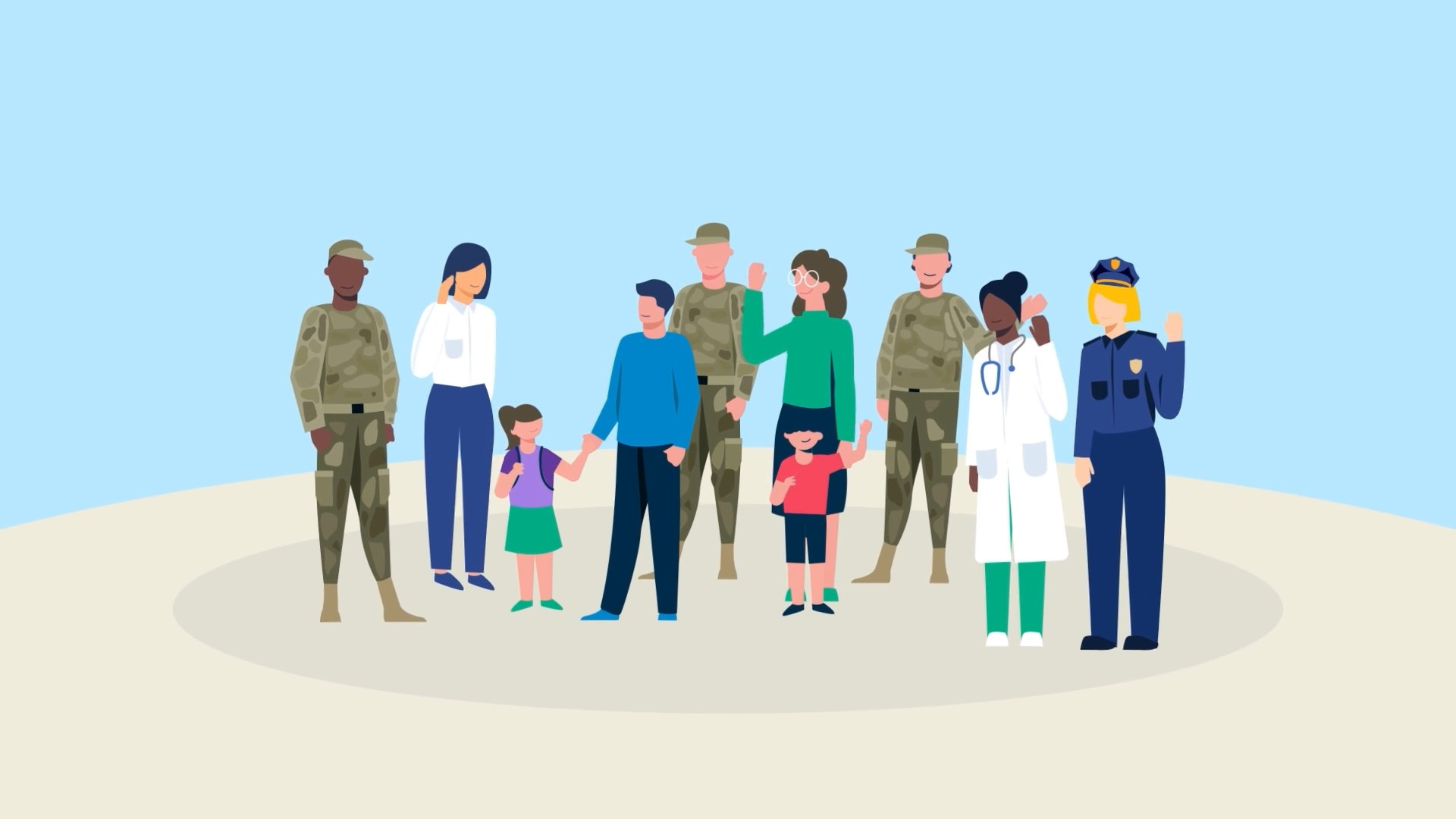
More than 1.5 million children in our country have unique experiences and needs related to a parent’s current military service. Children’s Advocacy Centers (CACs) play a vital role in ensuring that military families get the coordinated care they need.
Military families are an integral part of communities nationwide, not just in areas with large military installations or bases. Many towns and cities host small military bases and recruiting stations that often go unnoticed by civilians. And, many members of the National Guard and Reserves live far from the installations where they serve part time, frequently commuting long distances.
Additionally, military families might be visiting relatives, or a military-connected child from out of state might spend the summer with a parent residing in your service area and have a need for services. Every CAC has the potential to serve military-connected children.
Military families have unique needs and require care that is tailored to meet those needs, including the coordination of CAC and Department of Defense (DoD) services.
“As a former Family Advocacy Officer for Space Force, I valued my relationship with our local CAC,” said NCA Coordinator for Federal Partnerships Amber Garrison-Ahmed, LCSW. “They were able to provide services and resources that we didn’t have the ability to provide to our families.”
In 2024, NCA launched seven historic Memoranda of Understanding (MOUs) with the military so that CACs can work collaboratively with military programs to ensure the safety and well-being of military-families.
When a case involves a military connection, whether it’s a military family or there’s a service member somehow involved, several Department of Defense programs can become involved. CACs play a critical role in making sure that these programs are at the table and included in the multidisciplinary team. The MOUs facilitate collaboration between CACs and military partners, ensuring military families have access to comprehensive support and services from both civilian and military programs.
“Family advocacy and the Military Criminal Investigative Organization (MCIOs) can bring important information to the MDT that civilian partners don’t have,” Garrison-Ahmed said. “Local law enforcement and child protection don’t have access to the military databases that hold all the information of, say, prior investigations.”
The Children’s Advocacy Center of Central Texas (CACCT) is based out of Belton, Texas and has been working closely with nearby Fort Hood, a U.S. Army installation near Killeen. CACCT Executive Director Debra Longley says the partnership between the center and Fort Hood has been an honor.
“The greatest impact of working with military children and their families is that we are taking a population who every day gets up and goes to work to make sure that our country’s protected, and we are making sure those kids are protected,” she said.
A few years ago, CACCT received an NCA grant that led to hiring Joel Jimenez, Jr. a dedicated Military Connections Advocate, and Army veteran, who hit the ground running in building the relationship with Fort Hood.
“Being a veteran myself, when you’re in the military, you know about resources and at the same time you kind of don’t know about resources,” he said. “The military branch wide MOUs have made it so that the communication between CACs here and our partners on Fort Hood have made that communication back and forth with Family Advocacy Program (FAP) more open. I speak CAC, I guess you could say, and I speak Army. So, that helps the family, helps the troops, and also helps our military partners all understand what is it that we need to do to, to help move the family along for the resource that they need.”
“He was able to dedicate his time to put a name and a face with our nonprofit, with the Children’s Advocacy Center,” Longley said. “And because he built those strong relationships, they developed increased trust in our services and what we do.”
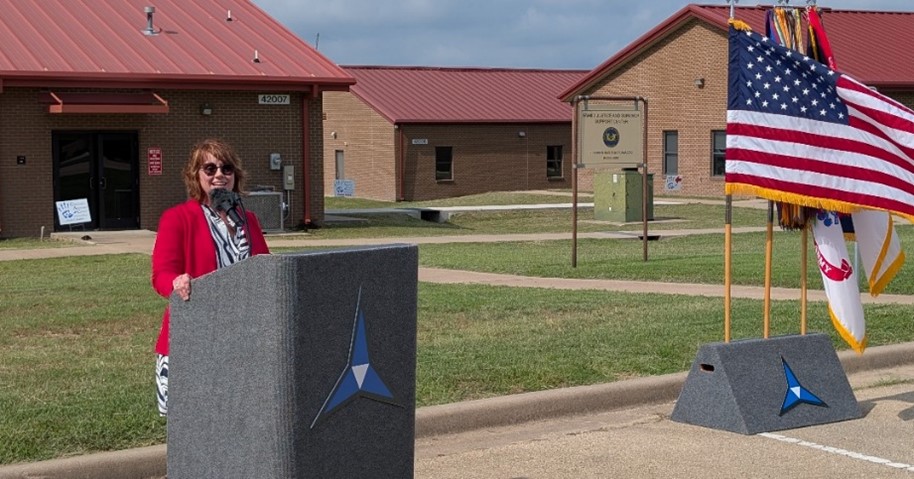
Lieutenant Colonel Ryan Yoder is the Officer in Charge at the Fort Hood Field Office of the U.S. Army Office of Special Trial Counsel. He says the Fort Hood area has about 38,000 soldiers and around 50,000 family members.
“CACCT has been really vital in providing those services and support to those families,” LTC Yoder said. “And, we’re really happy and excited to continue to kind of solidify that relationship.
And, in a trailblazing move, CACCT has opened a second location on Fort Hood to better serve military families with forensic interviewing, family advocacy, and mental health services all on post.
“With the creation of the Office of Special Trial Counsel in December of 2024, it really was an opportune time to capitalize on this past relationship,” LTC Yoder said. “The counsel’s unique mission is to prosecute offenses such as domestic violence and child sex assault, where many of those CACCT resources are vital. We started to begin coordinating with those personnel and to try to bring them onto this installation. What this means is that those CACCT personnel will provide resources in our victim support center that really is right next to our offices. We will be able to conduct CAC interviews and coordinate with both military and local law enforcement really together. And, through this collaboration, we will strive to try
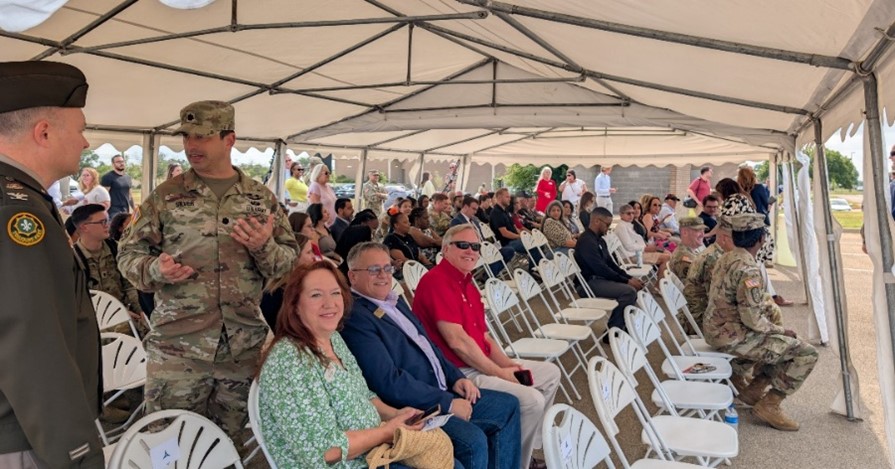
and meet our offices, which is the Office of Special Trial Counsel’s dual goals of creating trust and transparency within our local communities and Army families.”
Having this satellite CAC location will also reduce travel time to and from post.
“We’re outside the gates of Fort Hood, in the same county, but we’re still a 20 minute drive,” Longley said. “It will also allow them to have some services where they feel that it’s just specialized to them.
All of our services are free, and they know that we are trauma-informed and we specialize in taking care of children that have been abused.”
“It allows for more effective and timely investigations while supporting the family’s needs, connecting them to the military resources and the civilian services all in one place,” Garrison-Ahmed said.
CACCT will be the first in the country to have a satellite CAC on a military installation, and Longley is looking to the future for more CACs to follow.
“My dream is that once we have it open and established, we’ll be able to write the manual for other CACs and other military installations, so they know exactly how to do it and more children will be served,” she said.
Check out the video version of this blog, and share with your network to raise their awareness!
__________________________________________________________
Resources:
Learn more about CAC and Military Partnerships
Information about the Military MOUs

Heather Provencher, LCSW is NCA’s Senior Manager for Federal Partnerships. Heather leads NCA’s federal partnership efforts to expand access to care for all children. With experience at CACs on both coasts, she understands field challenges and is committed to strengthening national partnerships so CACs can focus on their vital daily work.