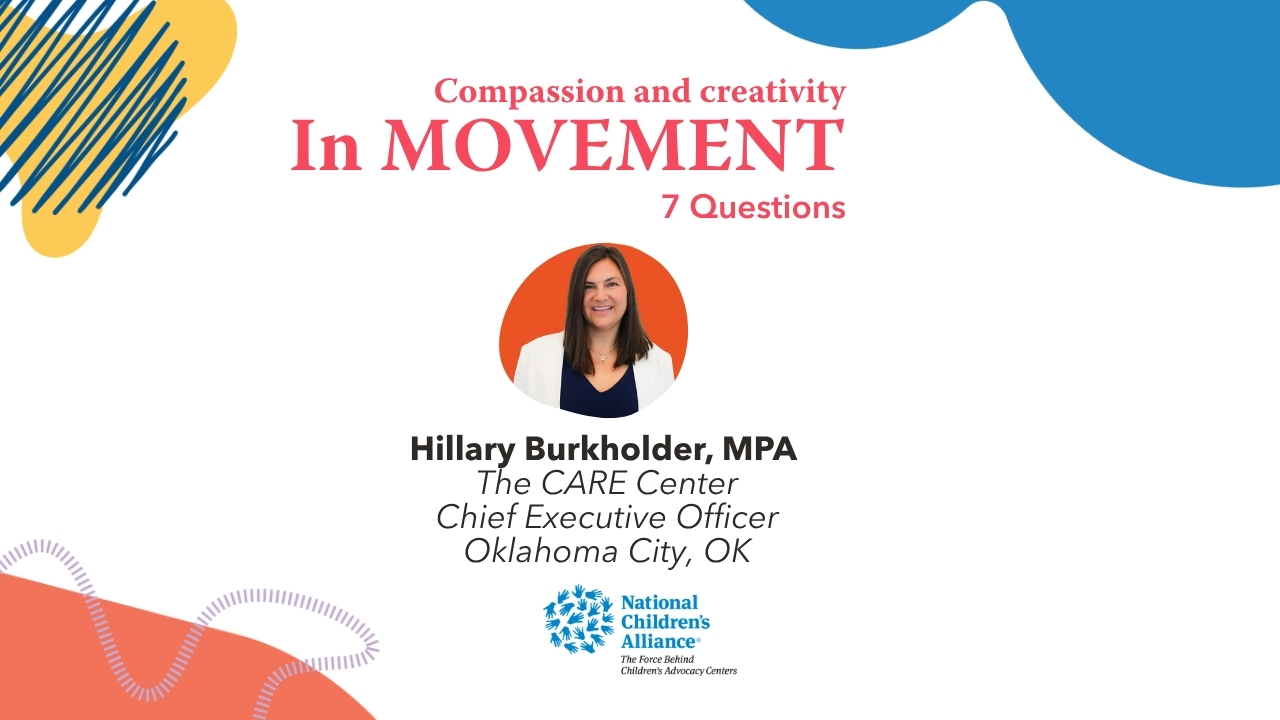
In Movement: 7 Questions with Hillary Burkholder, MPA | The CARE Center | Oklahoma City, OK
June 16, 2026
Welcome to In Movement! In this segment of our blog, we interview thought leaders from within our own organizations –

from CACs and MDTs and partner agencies – to gain insight into how they have furthered the movement, and how the movement has changed them. We look forward to benefiting from the lessons they’ve learned, the challenges they’ve faced, and the future they envision for themselves, our centers and teams, and the children and families we serve.
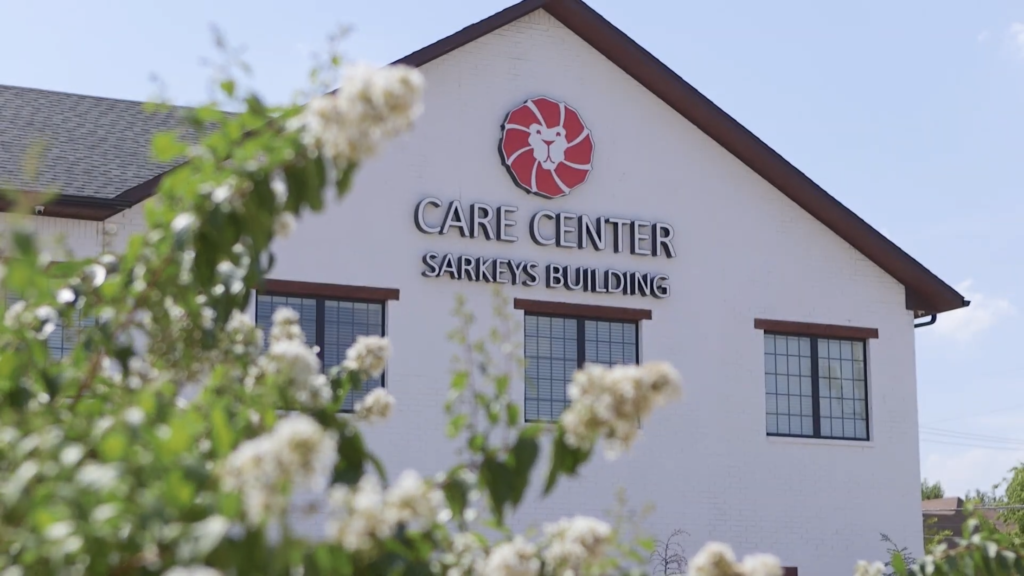
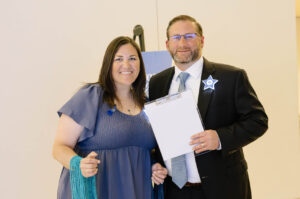
In Oklahoma City, The CARE Center serves as a place where children and families can find safety, support, and a path forward after trauma. As CEO, Hillary Burkholder brings more than 20 years of experience across government and nonprofit sectors, and a deeply rooted commitment to improving outcomes for children and families.
Hillary’s work today reflects a long‑standing belief that how we respond to childhood trauma, and how early we intervene, can shape not only individual futures, but entire communities. Since stepping into her role, she has focused on strengthening organizational culture, supporting staff, and building more connected, prevention‑focused systems of care.
Read on to learn more about her journey, perspective, and vision for the future!
Why did you choose this as a career?
Serving as the CEO of a Child Advocacy Center truly feels like a full-circle moment for me and the culmination of more than 20 years working across government and nonprofit sectors.
Even before I entered the workforce, I was drawn to child welfare because of the work my mom did. Growing up, I attended conferences with her and saw firsthand the importance of supporting children and families navigating incredibly difficult circumstances. Early on, I developed a deep sense of compassion for kids facing trauma through no fault of their own.
I started my career as a child welfare worker and later moved into leadership, policy, nonprofit, development, and community partnership roles. Along the way, I saw both the strengths and limitations of systems designed to help people, and I became passionate about building more collaborative, human-centered approaches to care.
No matter where my career took me, my heart always came back to children. I strongly believe that when we effectively address childhood trauma, or better yet, prevent adverse childhood experiences from happening in the first place, we can change the trajectory not only for individual children, but for entire communities.
As the mom of an eight-year-old, I want hope, healing, and safety for every child.
What’s something interesting you’ve learned recently?
I truly believe if we aren’t learning, we aren’t growing, so I try to learn something every day.
Recently, I was introduced to the ALICE Report, which stands for Asset Limited, Income Constrained, Employed. It looks at households that earn above the federal poverty level but still struggle to afford basic necessities.
Because financial strain can significantly impact family stress and stability, having a more accurate understanding of what families in our community are actually experiencing helps us better connect them to meaningful resources and provide more effective wraparound support.
What’s a challenge you and your colleagues feel proud of solving?
I came into the CEO role at The CARE Center seven months ago during a season of significant transition and change. While change is never easy, it also created an opportunity to thoughtfully evaluate our structure, strengthen communication, and ensure we are fully supporting both our mission and our staff.
Over the past several months, we have realigned roles and responsibilities, strengthened onboarding and leadership support, and created more intentional opportunities for staff feedback and connection. We’ve also had honest conversations about organizational values, communication, and how we support one another in difficult work.
The transition has certainly created challenges, particularly around workload and training timelines, but I’m incredibly proud of how our team has continued delivering high-quality, trauma-informed care throughout it all. One of the most meaningful moments for me was hearing a longtime staff member share that they currently feel a strong sense of connection and trust across the organization.
I strongly believe children and families receive the best care when the people serving them also feel supported, valued, and connected to the mission.
What about your work inspires you and keeps you going?
What inspires me most is knowing the work we do can change the trajectory of a child’s life. Every time a child walks through our doors and is met with safety, compassion, and people who believe them, we have an opportunity to interrupt trauma and begin healing.
What keeps me going is the people. I’m continually inspired by the staff, partners, advocates, and community members who keep showing up for kids every single day, even when the work is hard.
At the end of the day, I want more children to grow up feeling safe, believed, and worthy of care. That mission makes even the hardest days worthwhile.
What’s the biggest need for kids you think we can meet in the next five years?
I believe one of the biggest needs we can meet for children over the next five years is ensuring they receive support earlier, before trauma fully shapes the course of their lives.
Historically, many systems have focused on responding after harm has already occurred. I think we have an opportunity to build something more connected, prevention-focused, and responsive, where children and families can access advocacy, mental health care, and trusted support systems more quickly and with fewer barriers.
We already know early intervention works. When children are believed quickly, connected to services sooner, and surrounded by adults who understand trauma, outcomes improve not only for that child, but often for entire families and future generations.
If we can continue strengthening prevention efforts, reducing barriers, and expanding access to care, I truly believe we can change life trajectories for thousands of children.
If we can reduce wait times, strengthen prevention efforts, expand access to mental health care, and build stronger community awareness around childhood trauma, I truly believe we can change life trajectories for thousands of children.
What do you think the ideal future looks like for kids?
I think the ideal future for kids is one where safety, stability, and emotional well-being are treated as foundational, not optional or reactive.
Right now, Oklahoma ranks 46th in the nation for child well-being according to the Annie E Casey Foundation. To me, that’s not just a statistic, but a call to action. It means too many children are growing up without the support, stability, protection, and opportunities they deserve. But I also believe it means there’s tremendous opportunity for meaningful change if we are willing to invest early and work together differently.
I want a future where children are surrounded by adults who know how to recognize trauma, respond with compassion, and create environments where kids feel seen, valued, and protected. I want a future where asking for help carries no shame, where mental health support is accessible early, and where families don’t have to navigate crisis alone.
I also hope we continue to build on the child advocacy model to create systems that are more connected and child-centered. Kids should not fall through gaps because adults or agencies are disconnected. The ideal future is one where communities work together in ways that are proactive, collaborative, and deeply committed to helping children heal and thrive.
Beyond safety, though, I want kids to have the freedom to simply be kids. I want them to experience joy, creativity, belonging, healthy relationships, and confidence that their voice matters.
For me, success is not just preventing harm. It’s helping create a future where Oklahoma becomes a place where children can truly flourish.
What’s next for you?
Right now, I’m focused on continuing to build trust, strengthen culture, and help shape a clear vision for what’s possible for children and families in our community.
Because I’m still relatively new in this role, a large part of my focus has been on listening, learning, and understanding both the strengths and opportunities within our organization and broader systems. I believe meaningful leadership starts with understanding people and the realities of the work before trying to lead change.
At the same time, I’m incredibly energized by the potential ahead of us. I believe there is an opportunity not just to sustain important services, but to reimagine how we support children and families through stronger collaboration, earlier intervention, and a deeper focus on prevention and long-term outcomes.
More than anything, I want to do my part in creating better futures for kids.

__________________________________________________________