5 Ways We Can Help Keep Kids Safe in Youth Sports
August 11, 2026
By Adam Varahachaikol,
National Children’s Alliance
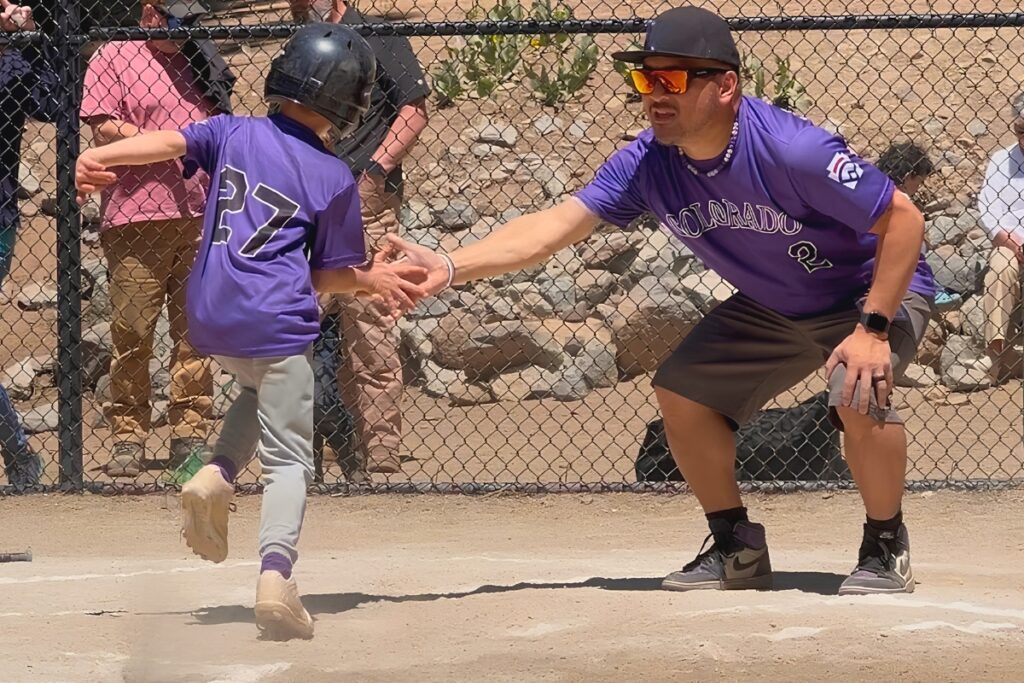
Some of my favorite moments as a youth baseball coach happen before the game even begins. Kids are having fun with their teammates. Parents are catching up in the stands. Coaches and other volunteers are setting up the field and helping players warm up. It’s a reminder that youth sports are about so much more than who wins.
While the baseball diamond is where I’ve spent a lot of my time, the same thing happens every day on basketball courts, football fields, volleyball courts, swimming pools, and countless other places where young athletes gather to learn, compete, and grow.
Sports help children build confidence, resilience, discipline, and friendships that often last long after the season ends. That’s exactly why creating a safe environment for every young athlete matters.
The overwhelming majority of coaches, volunteers, and league leaders are there because they genuinely care about kids. Child safety isn’t about creating fear or assuming the worst about the adults who dedicate their time to youth sports or even the peers who kids are playing alongside. It’s about recognizing that protecting children is everyone’s responsibility.
Whether you’re a parent, coach, volunteer, official, or league administrator, here are five ways we can all help create a culture where kids feel safe, respected, and supported.

1. Build Relationships, Not Just Rosters
One of the simplest ways to help create a safer environment is to know the people who are investing time in your child’s life.
Introduce yourself to coaches and other volunteers and get to know them. Learn who the league leaders are and how your organization communicates with families. Understanding who is responsible for your child during practices, games, tournaments, or travel helps build trust and accountability.
Healthy youth sports organizations welcome engaged families. Transparency shouldn’t be viewed as a challenge, it should be seen as a strength. When everyone knows one another and communication is open, children benefit.

2. Create a Team Off The Field, Too
Sports come with exciting moments, but they also come with disappointment, conflict, and challenges. Whether it’s a tough practice, a disagreement with a teammate, an uncomfortable interaction or experience, or simply a bad day, kids should know they don’t have to carry those experiences alone.
Creating that kind of trust doesn’t happen because of one conversation, it happens over time. It happens when kids know they’ll be listened to, believed, and supported without fear of embarrassment, or immediate judgment.
It’s also important to remember that uncomfortable situations aren’t always caused by adults. Sometimes concerns involve teammates, older kids, or peers. Whatever the situation, children should know they have trusted adults they can turn to for guidance and support.
When home, or a comfortable place outside of the sports setting, feels like part of the team, kids are more likely to speak up when something doesn’t feel right, and they’ll be just as likely to share the moments that made them proud.

3. Stay Present and Engaged
One of the greatest strengths of youth sports is the community that surrounds them. Parents cheering from the stands, volunteers helping behind the scenes, and families supporting one another all contribute to an environment where children thrive.
Being involved doesn’t mean hovering over every practice or questioning every coaching decision. It simply means staying connected. Attend games when you can. Volunteer if you’re able. Pay attention not only to how adults interact with young athletes, but also to the team culture and how players treat one another. Respect, inclusion, and good sportsmanship help create environments where all kids can thrive.

4. Trust Your Instincts and Speak Up
Sometimes safety begins with a simple question. If something doesn’t seem right, ask about it. If a policy feels unclear, seek clarification.
And, if communication leaves you with concerns, don’t be afraid to start a conversation.
Most situations have reasonable explanations, but asking respectful questions helps strengthen organizations and reinforces a culture of openness. Child safety should never depend on assumptions or silence.
5. Remember What Success Really Looks Like
Every coach enjoys watching their team improve. Parents love seeing their children gain confidence and celebrate big moments, and championships are exciting.
But, years from now, most kids won’t remember every win or every trophy. They’ll remember how their coach treated them, whether they felt encouraged after making a mistake, the friendships they built and the adults who believed in them, and whether they felt like they belonged.
So, the next time you’re at a practice, game, meet, recital, tournament, or competition, take a moment to look around. Every child there is trusting the adults around them to create a safe place to learn, grow, and simply enjoy being a kid.
That’s a responsibility and a privilege we all share.
__________________________________________________________
Remember, even if you suspect child abuse, contact your local Children’s Advocacy Center who can walk you through what happens next. Go to www.nationalchildrensalliance.org, and click here to find your local CAC.

Adam Varahachaikol is a content creator with 20 years experience in copywriting, editing, video production, and digital marketing across multiple industries, and is passionate about the CAC movement. He enjoys spending time with his family, drawing, music, gaming, and coaching youth sports.